As discussed previously, there are a number of ways to make lamb prosciutto. Because lamb prosciutto is made with the leg of a lamb, it has a bone running through it. You can cure the lamb prosciutto with the bone in, or take it out. If you take out the bone, you can either cure the lamb prosciutto in two separate pieces or tie it together tightly to try and get rid of any air pockets from where the bone used to be. I have tried both of these methods which you can see at the following links:
I personally liked curing the lamb prosciutto in two pieces. Therefore, I cured my most recent lamb prosciutto in two pieces with two different winter spice cures.
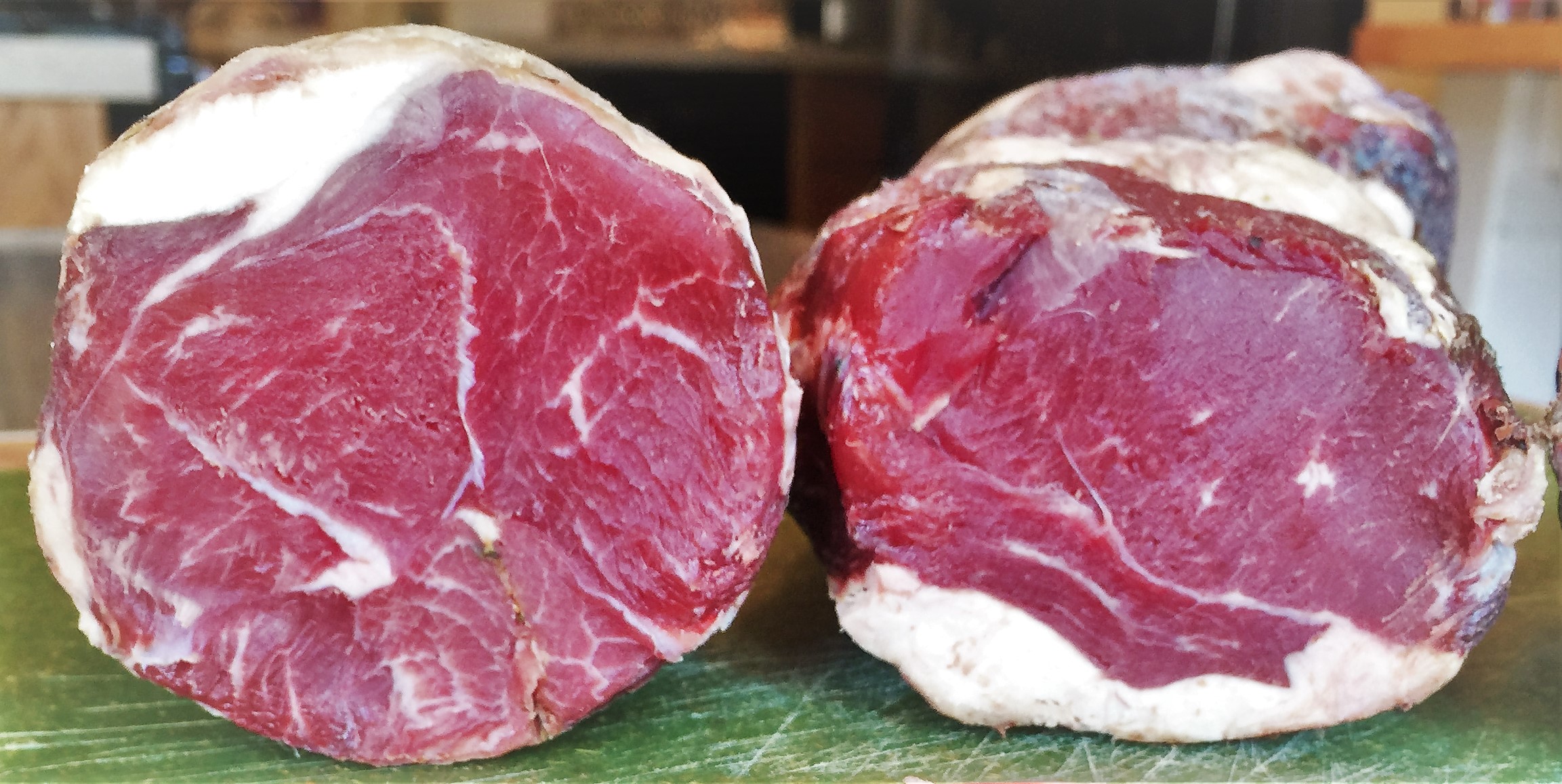
Curing (3 weeks):
I used two different spice cures for the two pieces of lamb prosciutto; a traditional lamb cure and a winter spice lamb cure.

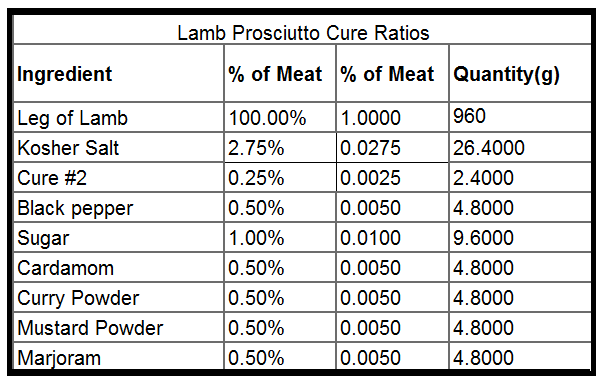
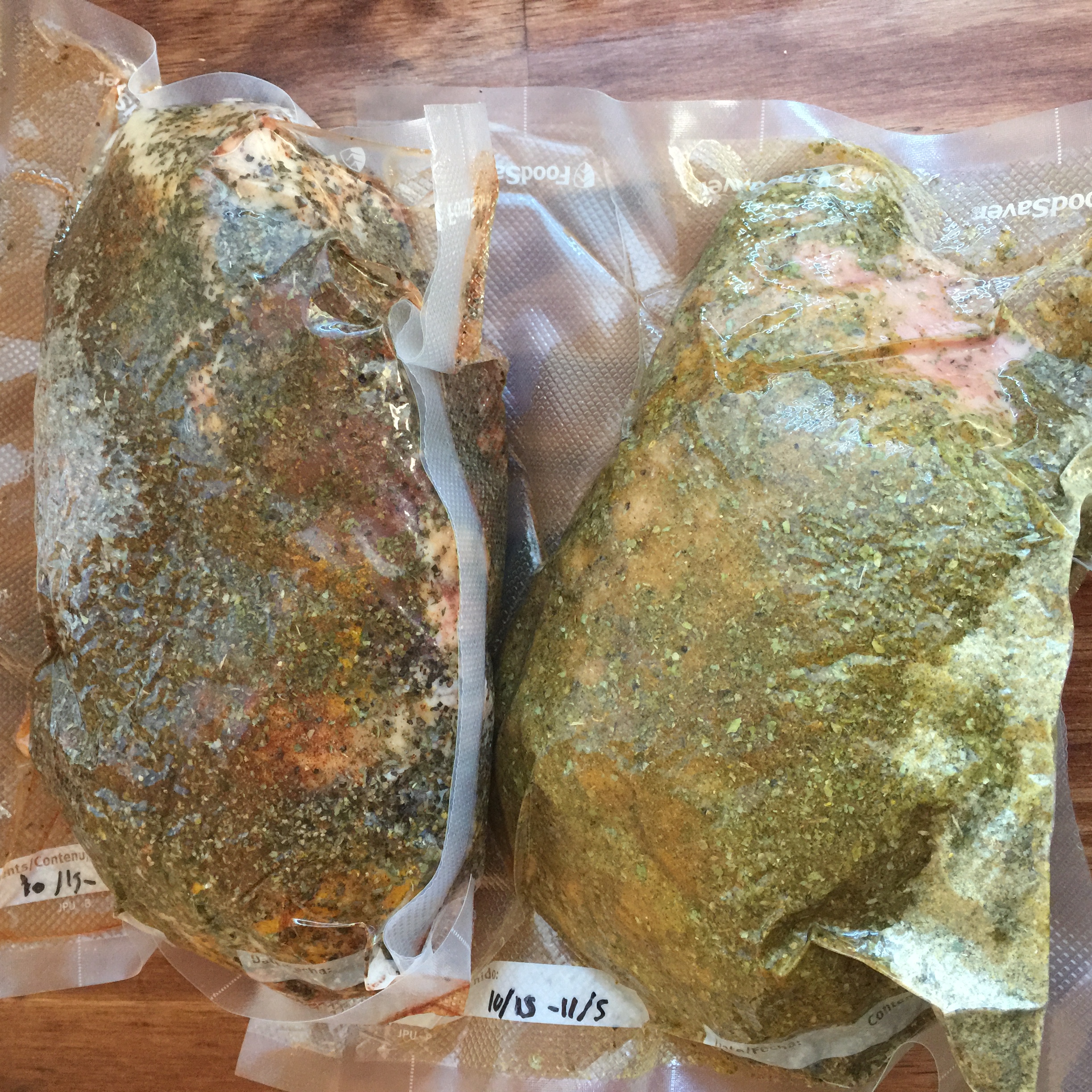
I allowed the leg of lamb to cure in their spice cures for 3 weeks under vacuum seal.
Casing (1 hour):
I used beef bung casing to case the meat, and used butcher netting to tie it up and get it ready to hang. After this, I used a toothpick to puncture any air holes that may have been evident and could harbor the growth of bad bacteria.Th meat was weighed, and was ready to go into the curing chamber.
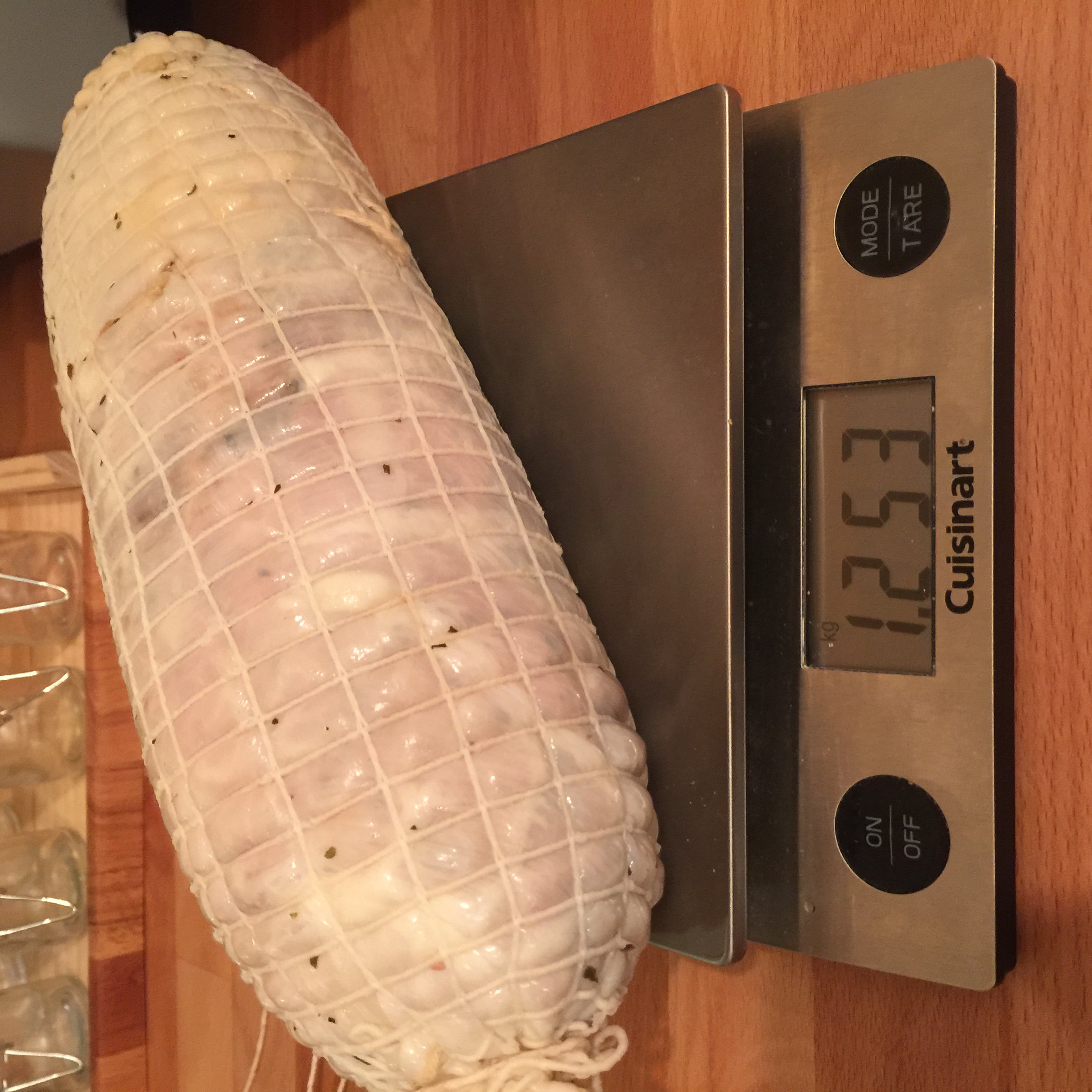
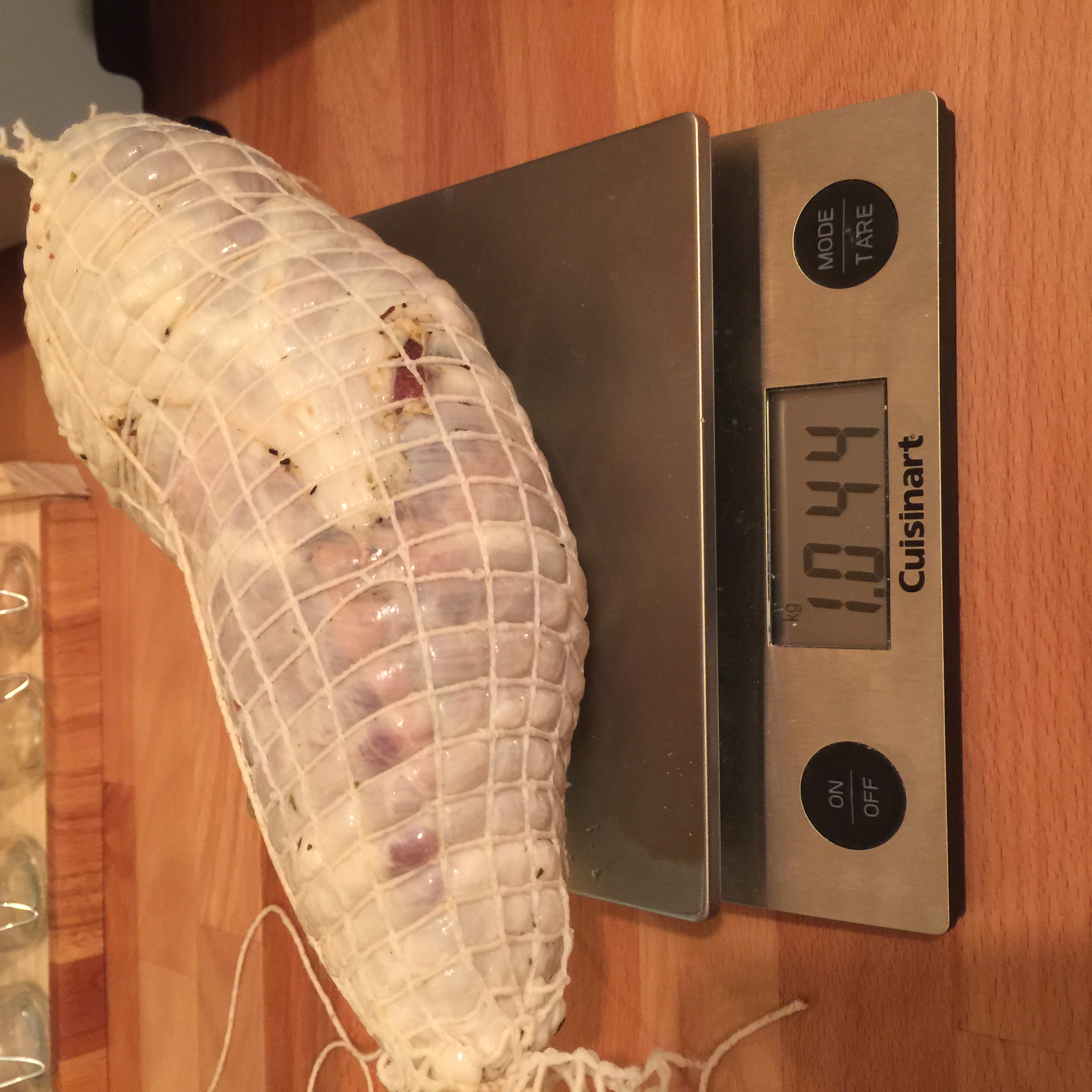
Drying (1 month+, until 30% of weight is lost):
Temperature: 54F/12C, Humidity: 70-80% RH
After being cased, the lamb prosciutto was put directly into the curing chamber to join the other meats that were hanging.
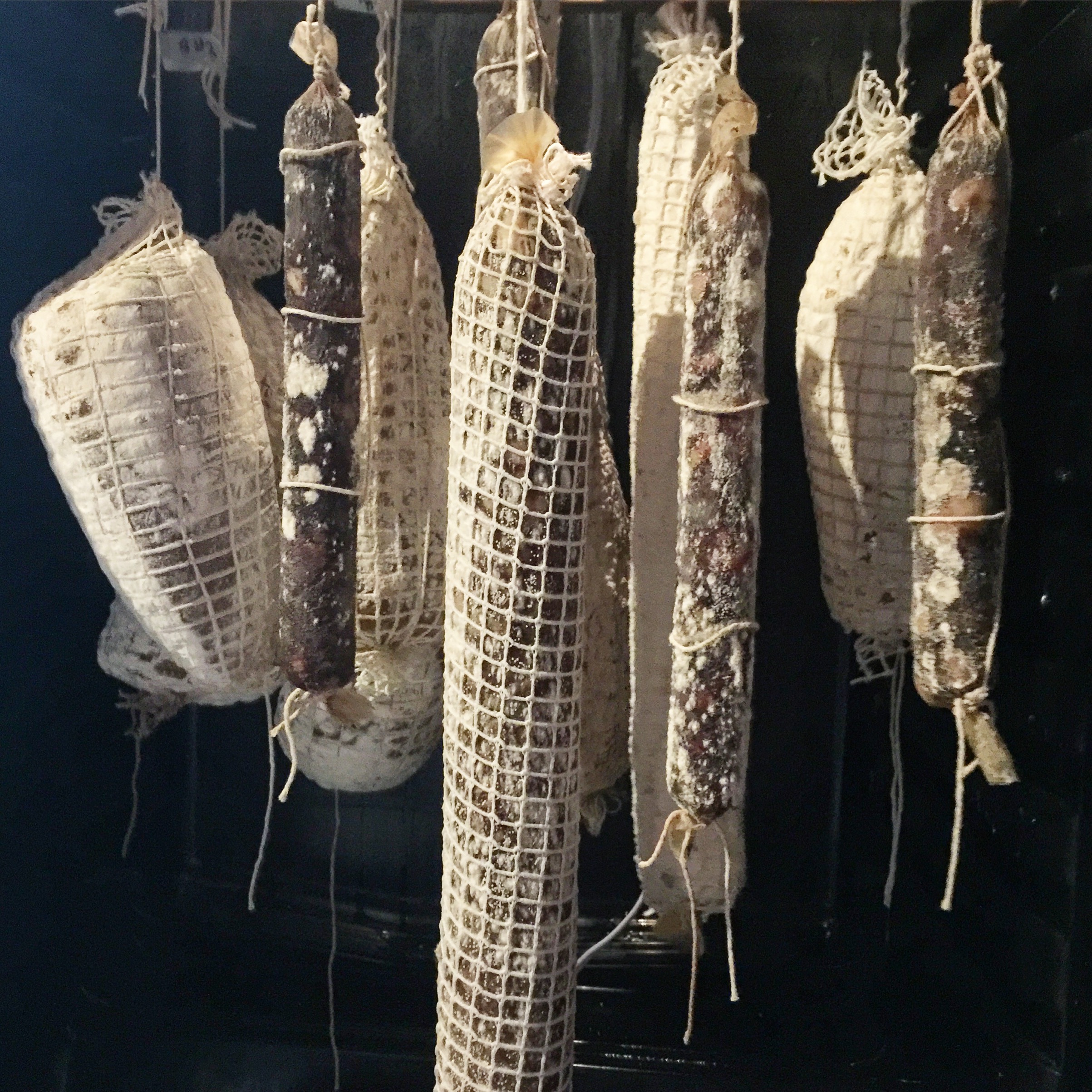
The meat was allowed to lose ~30% of its initial weight, and was pulled from the chamber.
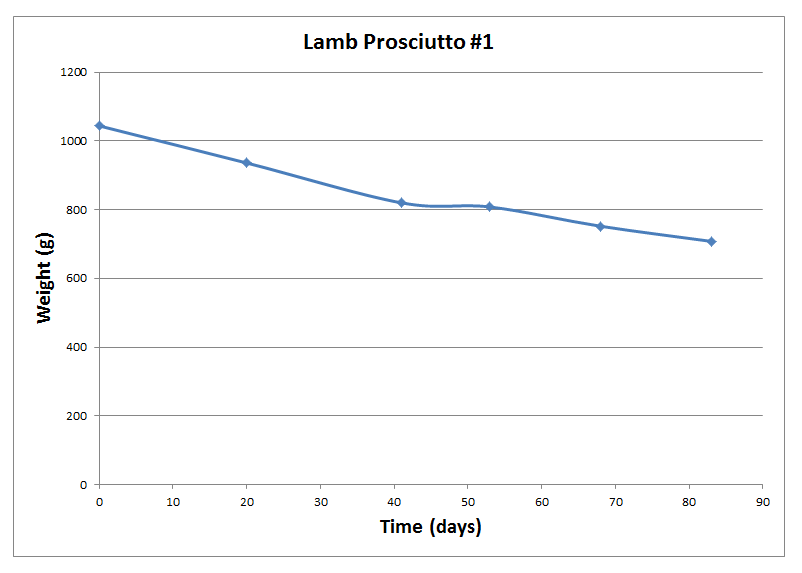
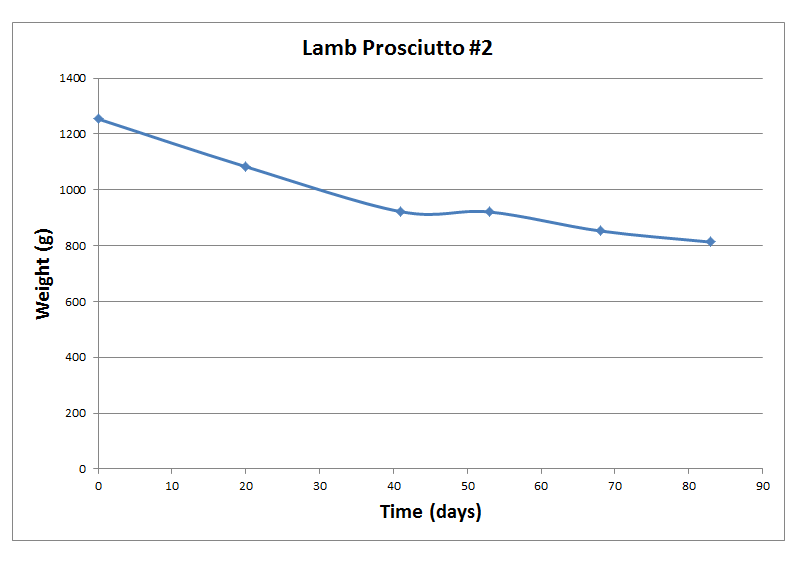
Tasting:
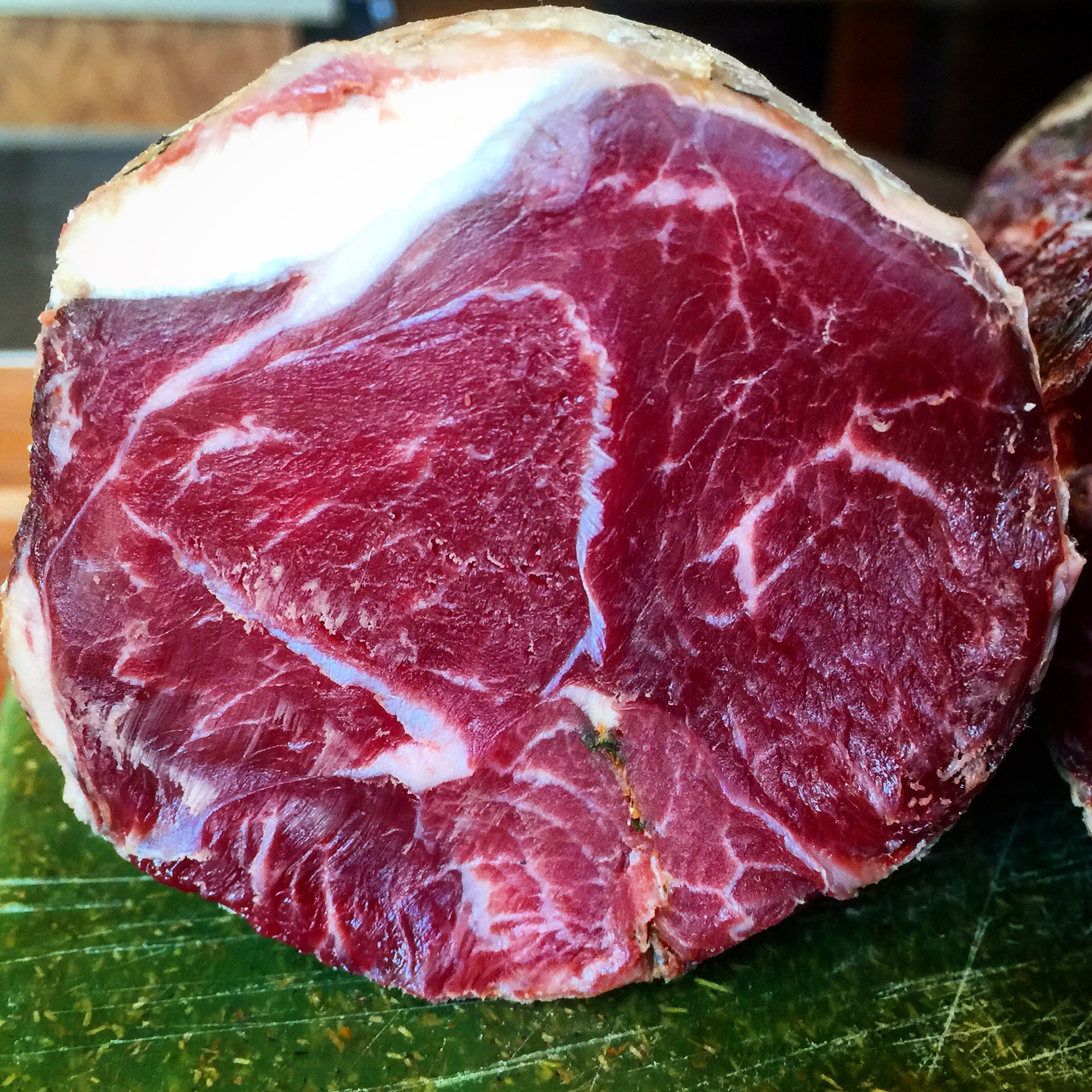
Lamb prosciutto is one of my favorite cured meats. The traditional lamb prosciutto was done first. The first slices into it were heavenly.
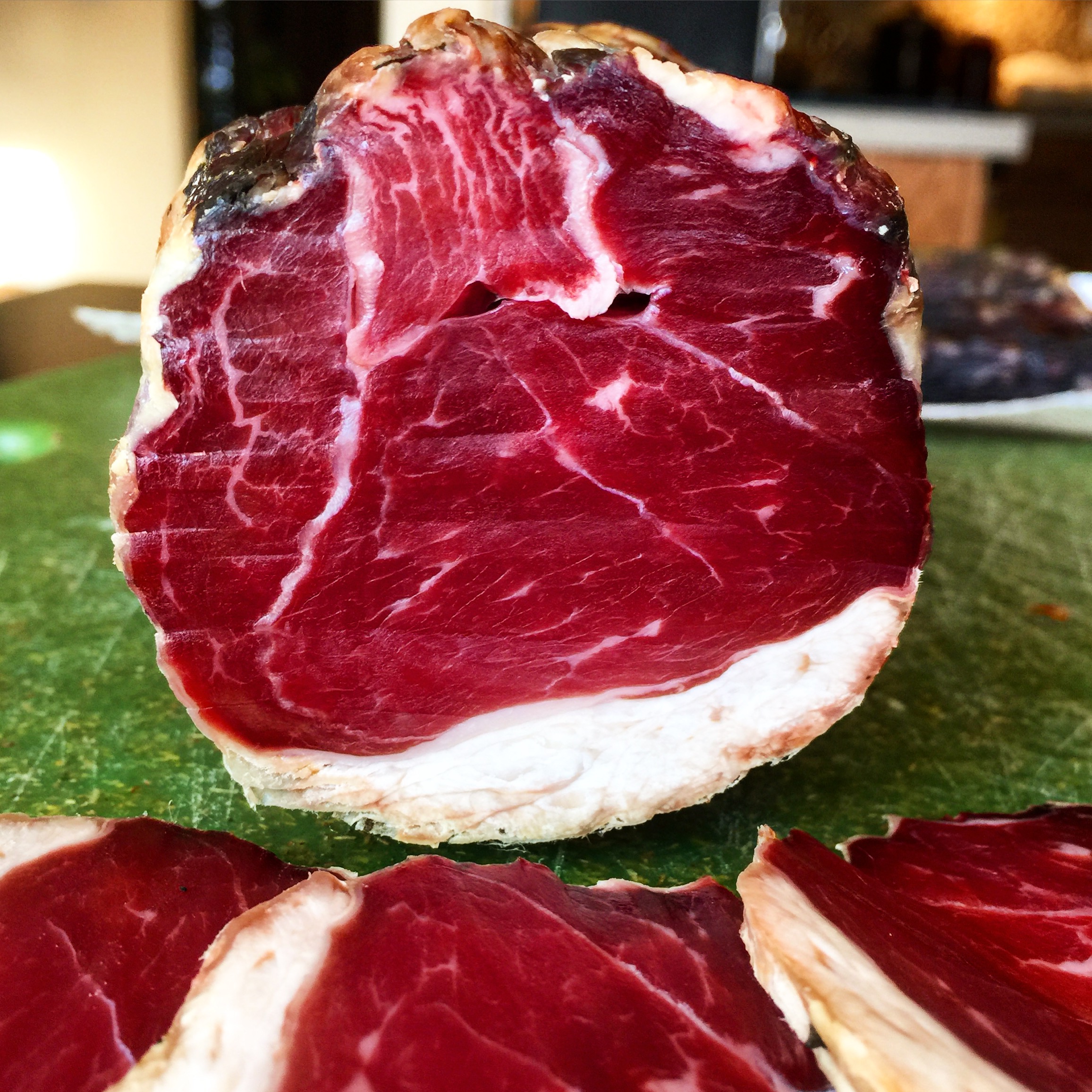
Later, when both of these were ready, I did a taste test with what I had left of my Arthur Ave lamb prosciutto.
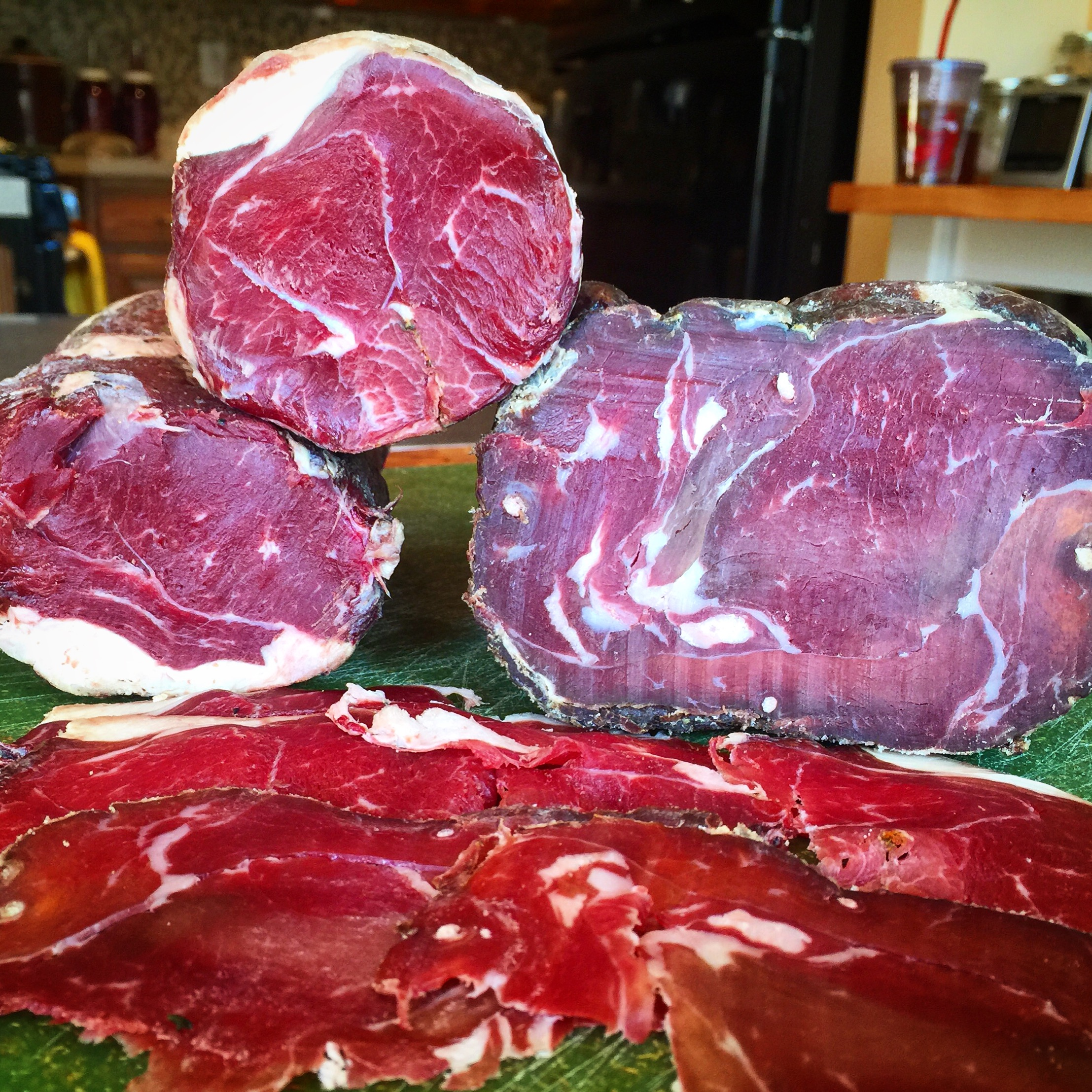
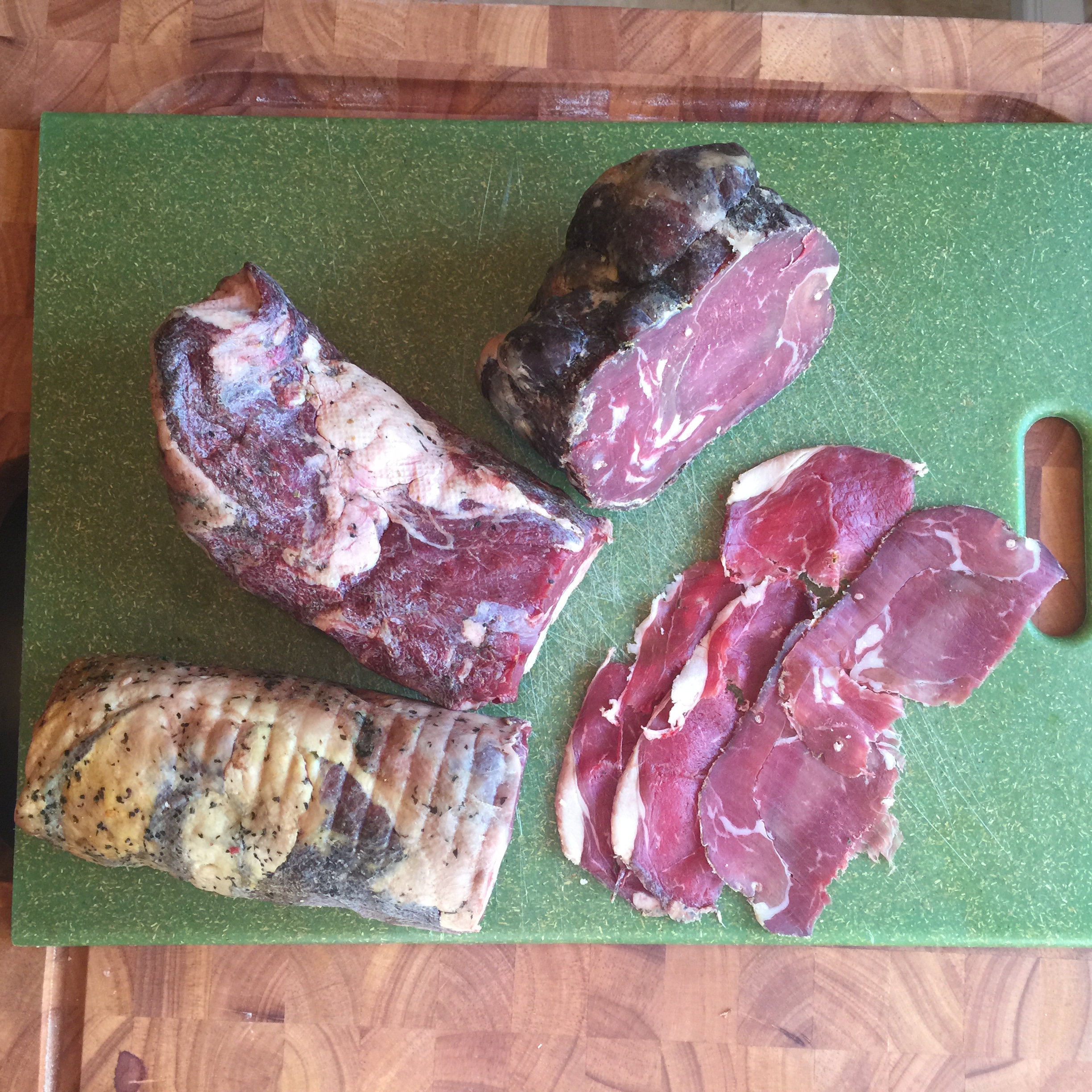
Great alone, or as I always like to say…meats that cure together, stay together.
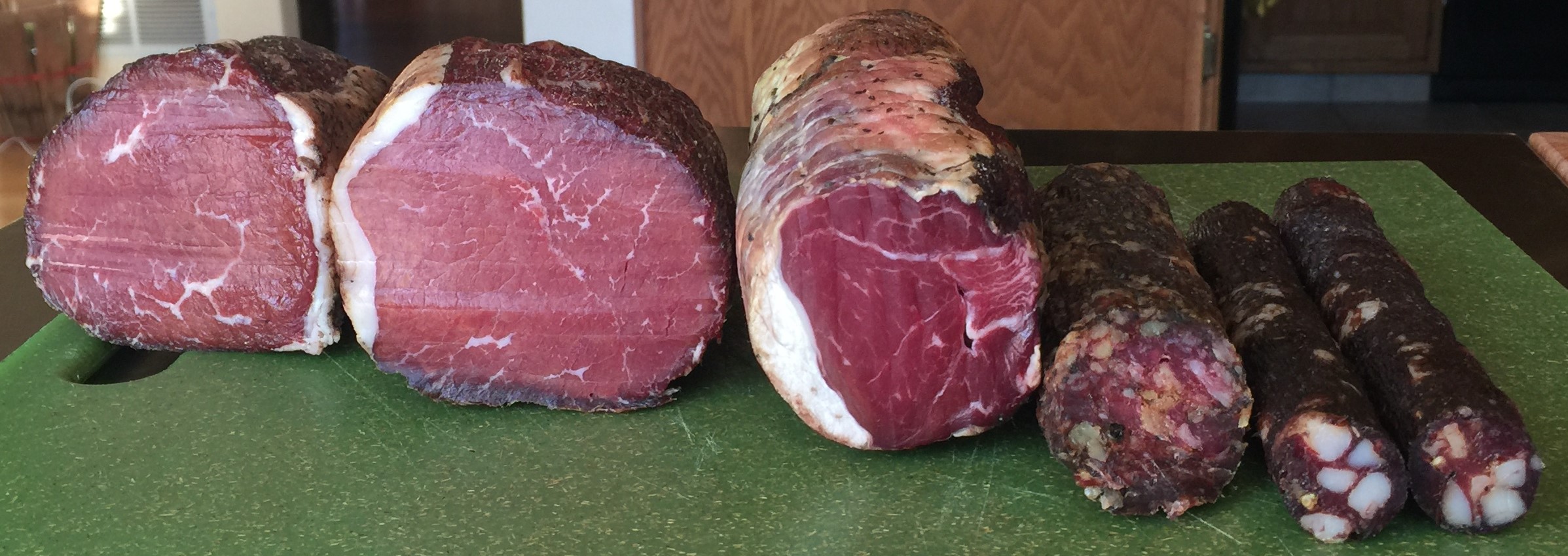
Ahhhh….beef bresaola, lamb prosciutto, lamb salami, and duck salami. All out for a day of fun.
Disclaimer: Meat curing is a hobby that comes with inherent risks. We can all do things to limit this risk by educating ourselves about the process and the utilizing the safest known methods to create our products. This website is for educational purposes only, and all experimentation should be done at each individuals own risk.
In what temperature do you dry your leg of lamb? Does the vacuum sealer alone would be enough?
Thanks
I cure the leg of lamb at 4C for 3 weeks in a vacuum sealed bag. Then I dry it at 13 C for a few months.
I am curing my first prosciutto in the garage right now but this is a very cold winter. Will the meat be ok if it has frozen during cure? I can’t seem to find the answer anywhere. Any information will be greatly appreciated.
It is okay to freeze meat that will go on to become charcuterie, but I would worry if the freezing occurs during the curing/drying time, especially if there are multiple freeze thaw cycles based on the weather. If this is the case I would simply freeze it, or make sure it stays cold enough to be frozen the entire time, and when it warms up allow it to thaw once and continue the process.
Which spice cure did you end up preferring?
I always like the traditional flavor of mint paired with lamb, it’s hard to beat.
What does your drying chamber look like? Any tips for getting started?
I have a few posts on setting up the chamber but I lost the images for it. You can search for it using the search bar and “curing chamber”. Now I use a wine fridge, with a humidifier set up to a hygrostat.